

Getting started with evidence in palliative care

Common forms of clinical investigations drawing on evidence include evidence based practice (EBP), Quality Improvement (QI) and research. Across these activities there are many universal skills that once learnt can help your practice. Here we help you to: Understand, Build skills, and inform your Practice.

Evidence Concepts

Take a look at some of the different forms of research evidence and what you need to consider.

Evidence based practice

Find out how you can use evidence to inform care decision-making.

Quality improvement

Learn about improving care delivery in your practice setting.

Research training

An introduction to research in palliative care and where to connect with researchers.

Evidence Tools

Pick up tools to help integrate evidence into your practice.

Selecting evidence

Where do you search for evidence? Find out what is recommended for clinicians.

CareSearch blog
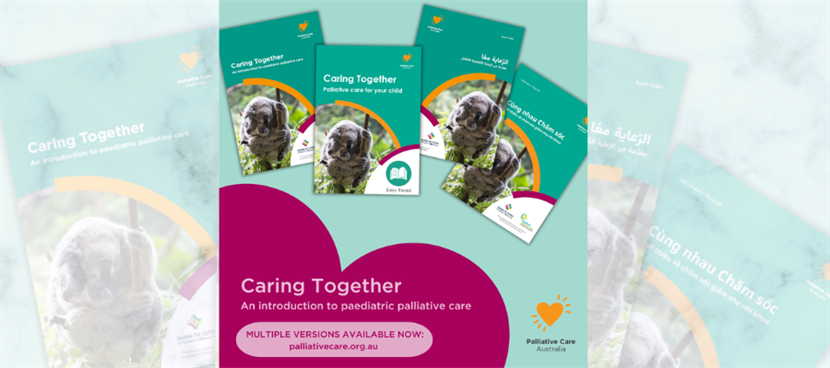
Caring Together: Supporting culturally safe conversations in paediatric palliative care

10/06/2026 | Blog | Community | Diverse Communities | Health Professionals | HP Education | Implementation and Translation | Paediatrics | Patients and Carers

Tags: A Respectful Death At Home / Acute Myeloid Leukaemia / Advanced Cancer / Aged care / AML / Art In Healthcare / Artificial Intelligence / Bereavement Support / CALD / CALD Communities / Capacity Building / Carers / Chronic Condition / Chronic Illness / Clinical Decision Making / Compassionate Communities / Cultural Competence / Cultural Diversity / Culturally Diversity / Culturally Sensitive Care / Death and Dying / Death Literacy / Disabilities / Economic Evaluation / Emotional Wellbeing / End of life care / End of Life Pathway / Evidence Based Practice / From Knowledge To Practice / Gen AI / Generative Characters / Grassroot Movements / Grief / Grief and Loss / Grief Support / Health Equity / Healthcare Education / Healthcare Workers / Holistic Care / Home Care / ICU / Implementation / Intensive Care Unit / Local Communities / Multidisciplinary Care / National Palliative Care Week / Nurses / Nursing Care / Older Australia / Older Geriatric / Pacific Health / Paediatric Care / Paediatric Palliative Care / Palliative Aged Care Forum / Palliative Care / Palliative Care Connect / Palliative Care Support / Palliative Nursing / PalliMEDS / PCC / Person Centered Care / Platform Redevelopment Project / Professional Interpreters / Psychosocial Support / Quality of Life / RAC / Residential Aged Care / Rural Health / Simulation / Solomon Islands / Spiritual Support / Support At Home / Supportive Care / Symptom management / TIME DCE / Time Toxicity / Treatment Decisions / Undergraduate Nursing / Wellbeing / Workforce Wellbeing

Views: 4

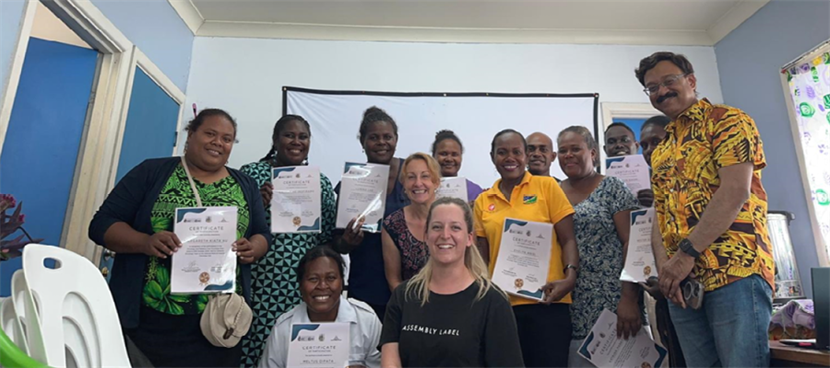
Building palliative care capacity in the Solomon Islands one step at a time

05/06/2026 | Acute Care | Blog | Community | Diverse Communities | Health Professionals | HP Education | Implementation and Translation | Nurses | Specialist Palliative Care

Tags: A Respectful Death At Home / Acute Myeloid Leukaemia / Advanced Cancer / Aged care / AML / Art In Healthcare / Artificial Intelligence / Bereavement Support / CALD / CALD Communities / Capacity Building / Carers / Chronic Condition / Chronic Illness / Clinical Decision Making / Compassionate Communities / Cultural Competence / Cultural Diversity / Culturally Diversity / Culturally Sensitive Care / Death and Dying / Death Literacy / Disabilities / Economic Evaluation / Emotional Wellbeing / End of life care / End of Life Pathway / Evidence Based Practice / From Knowledge To Practice / Gen AI / Generative Characters / Grassroot Movements / Grief / Grief and Loss / Grief Support / Health Equity / Healthcare Education / Healthcare Workers / Holistic Care / Home Care / ICU / Implementation / Intensive Care Unit / Local Communities / Multidisciplinary Care / National Palliative Care Week / Nurses / Nursing Care / Older Australia / Older Geriatric / Pacific Health / Paediatric Care / Paediatric Palliative Care / Palliative Aged Care Forum / Palliative Care / Palliative Care Connect / Palliative Care Support / Palliative Nursing / PalliMEDS / PCC / Person Centered Care / Platform Redevelopment Project / Professional Interpreters / Psychosocial Support / Quality of Life / RAC / Residential Aged Care / Rural Health / Simulation / Solomon Islands / Spiritual Support / Support At Home / Supportive Care / Symptom management / TIME DCE / Time Toxicity / Treatment Decisions / Undergraduate Nursing / Wellbeing / Workforce Wellbeing

Views: 10

When culture shapes the final chapter: Lessons from Japan for palliative aged care

03/06/2026 | Aged Care in home | Blog | Community | Diverse Communities | Evidence | Health Professionals | HP Education | Implementation and Translation | Older Australia | Patients and Carers | Residential Aged Care | Specialist Palliative Care

Tags: A Respectful Death At Home / Acute Myeloid Leukaemia / Advanced Cancer / Aged care / AML / Art In Healthcare / Artificial Intelligence / Bereavement Support / CALD / CALD Communities / Capacity Building / Carers / Chronic Condition / Chronic Illness / Clinical Decision Making / Compassionate Communities / Cultural Competence / Cultural Diversity / Culturally Diversity / Culturally Sensitive Care / Death and Dying / Death Literacy / Disabilities / Economic Evaluation / Emotional Wellbeing / End of life care / End of Life Pathway / Evidence Based Practice / From Knowledge To Practice / Gen AI / Generative Characters / Grassroot Movements / Grief / Grief and Loss / Grief Support / Health Equity / Healthcare Education / Healthcare Workers / Holistic Care / Home Care / ICU / Implementation / Intensive Care Unit / Local Communities / Multidisciplinary Care / National Palliative Care Week / Nurses / Nursing Care / Older Australia / Older Geriatric / Pacific Health / Paediatric Care / Paediatric Palliative Care / Palliative Aged Care Forum / Palliative Care / Palliative Care Connect / Palliative Care Support / Palliative Nursing / PalliMEDS / PCC / Person Centered Care / Platform Redevelopment Project / Professional Interpreters / Psychosocial Support / Quality of Life / RAC / Residential Aged Care / Rural Health / Simulation / Solomon Islands / Spiritual Support / Support At Home / Supportive Care / Symptom management / TIME DCE / Time Toxicity / Treatment Decisions / Undergraduate Nursing / Wellbeing / Workforce Wellbeing

Views: 5

Making every goodbye count: Bridging the cultural gap in the Intensive Care Unit (ICU)

27/05/2026 | Acute Care | Blog | Community | Diverse Communities | Health Professionals | Implementation and Translation | Patients and Carers | Specialist Palliative Care

Tags: A Respectful Death At Home / Acute Myeloid Leukaemia / Advanced Cancer / Aged care / AML / Art In Healthcare / Artificial Intelligence / Bereavement Support / CALD / CALD Communities / Capacity Building / Carers / Chronic Condition / Chronic Illness / Clinical Decision Making / Compassionate Communities / Cultural Competence / Cultural Diversity / Culturally Diversity / Culturally Sensitive Care / Death and Dying / Death Literacy / Disabilities / Economic Evaluation / Emotional Wellbeing / End of life care / End of Life Pathway / Evidence Based Practice / From Knowledge To Practice / Gen AI / Generative Characters / Grassroot Movements / Grief / Grief and Loss / Grief Support / Health Equity / Healthcare Education / Healthcare Workers / Holistic Care / Home Care / ICU / Implementation / Intensive Care Unit / Local Communities / Multidisciplinary Care / National Palliative Care Week / Nurses / Nursing Care / Older Australia / Older Geriatric / Pacific Health / Paediatric Care / Paediatric Palliative Care / Palliative Aged Care Forum / Palliative Care / Palliative Care Connect / Palliative Care Support / Palliative Nursing / PalliMEDS / PCC / Person Centered Care / Platform Redevelopment Project / Professional Interpreters / Psychosocial Support / Quality of Life / RAC / Residential Aged Care / Rural Health / Simulation / Solomon Islands / Spiritual Support / Support At Home / Supportive Care / Symptom management / TIME DCE / Time Toxicity / Treatment Decisions / Undergraduate Nursing / Wellbeing / Workforce Wellbeing

Views: 3

Last updated 04 June 2026