


Helping people adapt to loss from diagnosis to after a death
Loss is a universal part of the experience of life-limiting illness, as people with advanced illness, their families, carers, and friends adapt to many changes. Just as the person may face a great burden of change and loss, so can family and friends. Close relationships involve strong bonds of affection, and the loss or threatened loss of these generates grief and mourning.
Definition
Loss in advanced illness can include loss of a sense of a healthy body and personal control, family role, future plans and goals, employment, function, or hope. Each loss is valued differently and ranges from no or little value to great value.
Related Resources
- CareSearch GP Hub – Bereavement
- CareSearch Clinical Evidence – Grief and bereavement
- palliAGED Practice Tip Sheet – Care Coordination
- CareSearch Community Section – Bereavement, Grief and Loss
Grief or mourning is a response to loss. It can affect every part of life including thoughts, behaviours, beliefs, feelings, physical health, and relationships with others. This may be referred to as uncomplicated grief as it is a normal reaction to a loss.
Anticipatory grief is the grieving prior to loss. It can include grief for the loss of identity, the loss of future plans, or the diminishing relationship with the person as their health deteriorates.
Bereavement is the period of grieving experienced by family and friends in response to the death of someone close to them.
Complicated and prolonged grief are terms for a prolonged, intense response to bereavement that negatively affects a person’s life including their relationships and employment.
Disenfranchised grief describes a grief reaction where there is no social recognition that the person has the right to grieve or receive social sympathy or support. A few examples of this include a griever from an unrecognised formal relationship (e.g. mistress, estranged family, stepfamily), where the griever has an intellectual disability, or when the death is from an illness with a social stigma (e.g. dementia in some cultures).
Everyone grieves in their own way; there is no right or wrong way or time to grieve.
Having social support networks including family, friends, neighbours, community networks or pastoral care may help a person who is grieving.
As a good introduction to this topic, watch this presentation ‘Loss, Grief and Bereavement’ from the Agency for Clinical Innovation by Prof Liz Lobb who explains key terminology, discusses normal grief, risk factors and models of bereavement counselling.
What you can do
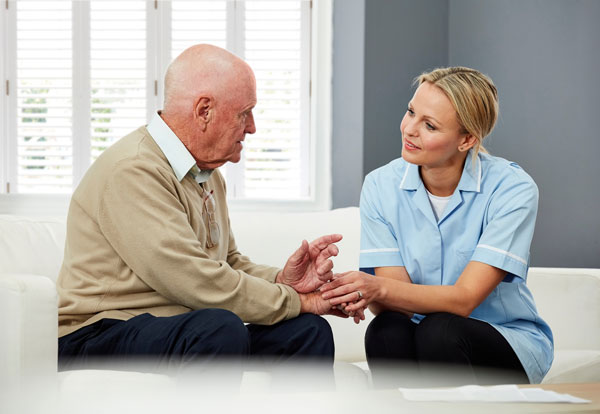
Nurses can play an important role by recognising the needs related to grief and loss of people with advanced illness, family members and carers, and providing support to them. This may be offering support and reassurance; helping them adapt to losses after the diagnosis, as the illness progresses, and in the final day and hours; and support for the family after the death.
Loss, grief and bereavement resources
Last updated 29 May 2026